
Research Theme Nine
Labour Markets, Decent Work & Industrial Relations
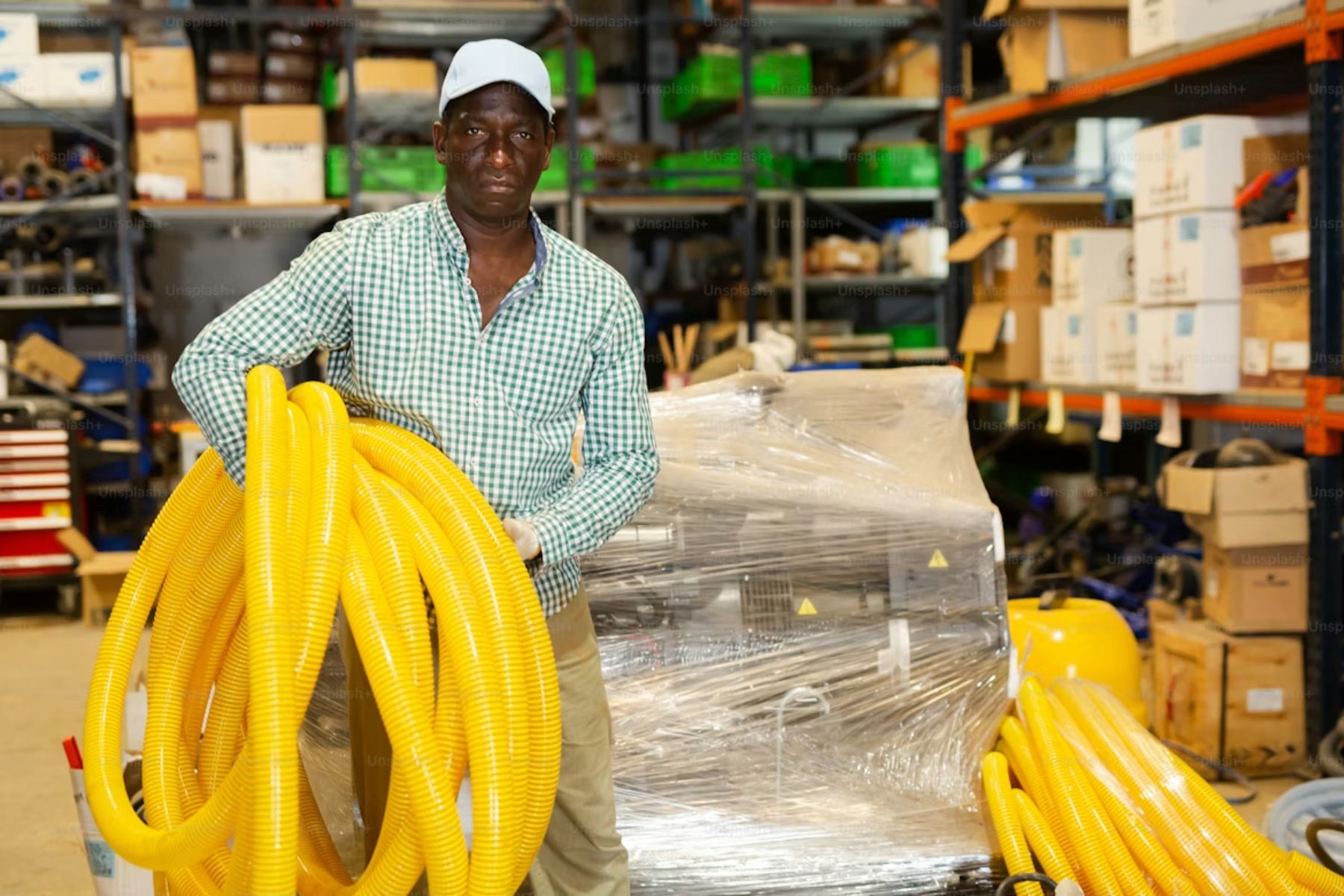
The World of Work in Southern Africa: A Region Under Pressure
Work is the engine of dignity. A decent job means more than a wage — it means security, recognition, and a stake in the economy. But for most workers in Southern Africa, decent work remains elusive. Unemployment is high, wages are low, and the safety nets that protect workers in wealthier countries are largely absent.
South Africa’s official unemployment rate stood at 32.9% in mid-2024 — one of the highest in the world. Among young people, the rate exceeds 60%. In Zimbabwe, formal unemployment is lower but largely because most workers have retreated into the informal economy, where earnings are unpredictable and rights are non-existent. Malawi’s minimum wage is among the lowest on the continent in real terms. Zambia’s economy, battered by debt and commodity price swings, has shed formal jobs at an alarming rate.
These numbers tell part of the story. The deeper picture is one of structural inequality — where the benefits of economic growth, when it occurs, flow disproportionately to capital and a small formal-sector elite, while the majority of workers remain trapped in low-wage, insecure, unprotected employment.
The Decent Work Agenda and Its Limits
The ILO’s Decent Work Agenda — built around employment creation, rights at work, social protection, and social dialogue — provides the global framework for improving working conditions. SADC countries have adopted Decent Work Country Programmes, and the SADC Employment and Labour Protocol sets regional standards. On paper, the architecture exists. In practice, implementation is uneven and enforcement is often weak.
Collective bargaining — one of the most effective tools for raising wages and improving conditions — is under strain across the region. Trade union density has declined in most SADC countries over the past two decades, driven by the growth of informal and precarious work, the restructuring of industries, and targeted anti-union practices by some employers. Where unions remain strong, as in South Africa’s mining and manufacturing sectors, they face intense pressure from employers seeking greater flexibility and from governments managing fiscal constraints.
Social dialogue — the tripartite process through which governments, employers, and workers negotiate policy — has produced important agreements in some countries. But it has also been strained by political interference, weak employer organisations, and trade unions that struggle to represent an increasingly fragmented workforce.
Key Developments Worth Watching
Several developments are reshaping labour markets across the region. Automation and technology are beginning to displace jobs in manufacturing, retail, and financial services. Remote work — expanded sharply by the COVID-19 pandemic — has created new opportunities for skilled workers but also new forms of surveillance and exploitation. The rise of the gig economy is creating millions of jobs that fall outside the protective coverage of labour law.
At the regional level, the SADC Free Trade Area and the African Continental Free Trade Agreement (AfCFTA) are reshaping supply chains and production patterns — with significant implications for employment and working conditions. Studies commissioned by SATUCC and others have documented the risk that trade liberalisation, without strong labour provisions, can trigger a race to the bottom on wages and conditions.
Youth unemployment is perhaps the most urgent challenge. The SADC region has one of the youngest populations in the world — a potential demographic dividend that is at risk of becoming a demographic liability if young people cannot find decent work. Governments and development partners have launched numerous youth employment programmes; evidence on their effectiveness is mixed.
Where Progress Has Been Made
Trade unions across the region have won meaningful gains in recent years. In Malawi, sustained union pressure resulted in significant minimum wage increases between 2020 and 2023. In Zambia, trade unions successfully opposed proposed amendments to the Employment Code that would have weakened workers’ rights. South Africa’s National Minimum Wage, introduced in 2019, extended a wage floor to over 6 million workers — including domestic workers and farm workers — who had previously been excluded.
At the regional level, SATUCC’s advocacy helped shape the SADC Decent Work Programme and contributed to the development of the SADC Employment and Labour Protocol, which sets binding standards for SADC member states on labour rights and social dialogue.
What We Do
- Conduct labour market research across SADC countries, covering wages, employment trends, and working conditions in key sectors.
- Evaluate trade union strategies, collective bargaining processes, and social dialogue mechanisms.
- Assess the design and implementation of Decent Work Country Programmes and national labour policies.
- Research the impact of trade agreements and industrial policy on employment and labour standards.
- Support workers’ organisations with evidence for wage negotiations, policy advocacy, and capacity development.
- Investigate the labour market impacts of automation, trade liberalisation, and the changing structure of work.
Why work with us
Research grounded in context. Built for impact.
Academically rigorous
Several of our researchers hold PhDs and publish in peer-reviewed journals. Our work meets the standards expected by international funders, UN agencies, and academic partners.
Deep regional knowledge
Our researchers live and work across five Southern African countries. We understand the social, economic, and political contexts in which our partners operate — not from a distance, but from the ground up.
Inclusive by design
We centre the voices of marginalised groups in all our work — including persons with disabilities, women, migrant workers, and informal economy workers. Inclusion is not an add-on. It shapes every research question we ask.
We build your capacity, not just our own
Every project is an opportunity to strengthen your team’s research and M&E skills. We transfer knowledge, share tools freely, and treat every partner as a collaborator — not just a client.