
Research Theme Ten
Public Health & Health Systems Strengthening
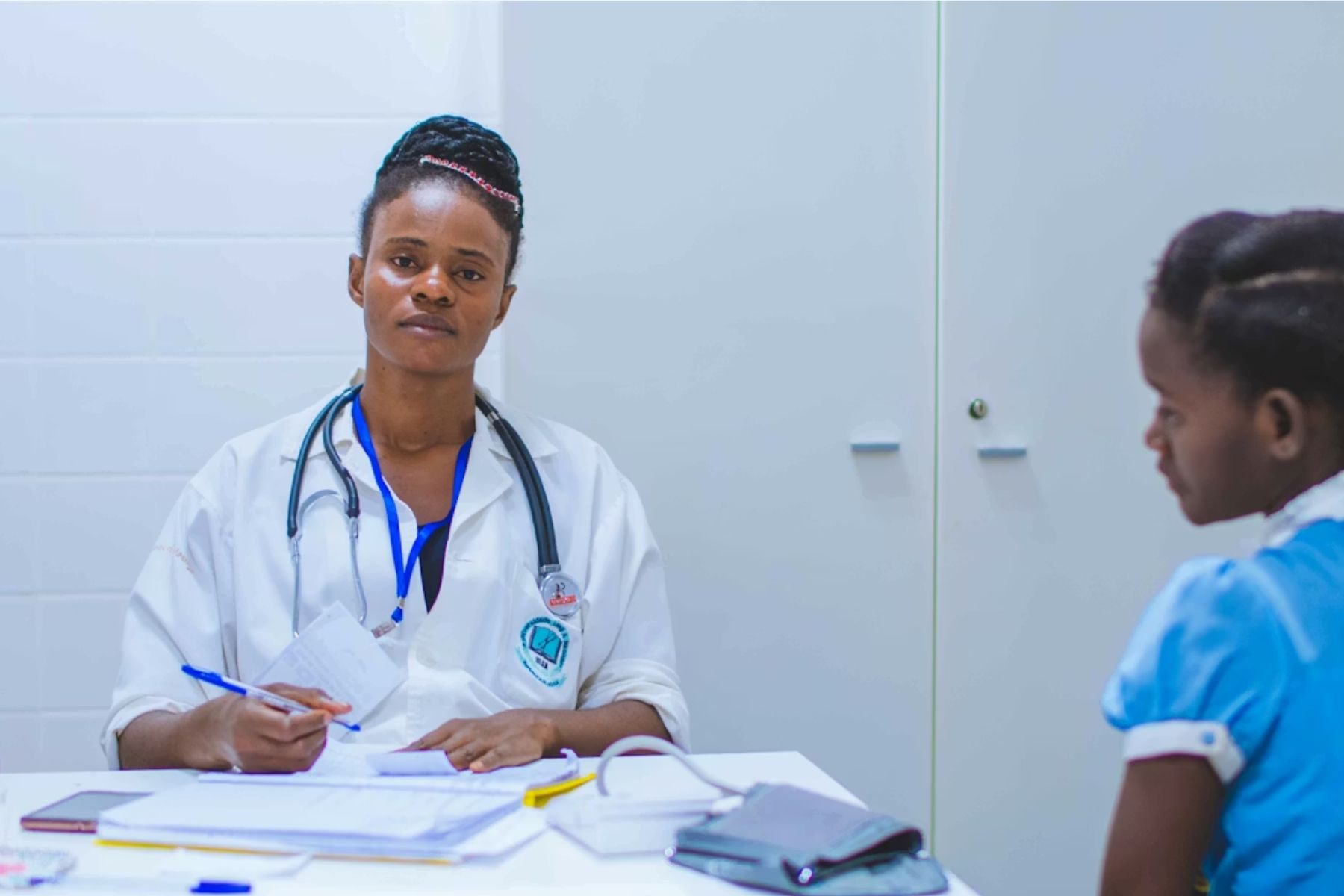
Health Systems Under Strain
Southern Africa’s health systems are under profound pressure. They are asked to deliver services to large and growing populations, many with high burdens of HIV, tuberculosis, malaria, and non-communicable disease — while operating with chronic under-resourcing, high rates of health worker attrition, and structural weaknesses that were exposed in brutal detail by the COVID-19 pandemic.
The numbers tell a stark story. The WHO recommends a minimum of 44.5 doctors, nurses, and midwives per 10,000 people to deliver basic health services. South Africa, the region’s wealthiest economy, has approximately 9 doctors per 10,000. Malawi has a ratio so low — around 0.02 doctors per 1,000 people — that it is among the worst in the world. Zimbabwe has seen a devastating brain drain of health professionals: thousands of nurses and doctors have emigrated to the UK, South Africa, and elsewhere, attracted by salaries that dwarf anything the Zimbabwean public health system can offer.
The problem is not only numbers. It is also the conditions under which health workers operate. Understaffed facilities mean that those who stay face crushing workloads. Facilities lack basic equipment. Supply chains for medicines and consumables are unreliable. Working in these conditions is not just professionally demoralising — it is a serious occupational health and safety risk.
The Burnout Crisis
Health worker burnout is a global crisis, but in Southern Africa it has reached epidemic proportions. Research conducted at public hospitals in Malawi has found alarming rates of occupational stress and burnout among clinical officers — the backbone of the country’s health system — driven by excessive workloads, long hours, inadequate support, and the psychological toll of working in under-resourced conditions with high patient mortality.
Task shifting — the reassignment of health tasks from higher-trained to lower-trained workers — has been widely adopted across the region as a response to health worker shortages. Clinical officers in Malawi, Zambia, and Zimbabwe perform complex clinical procedures that would be reserved for doctors in better-resourced systems. Community health workers carry enormous responsibilities with minimal training, pay, and support. While task shifting can extend the reach of health services, research is increasingly documenting its dark side: it creates new power inequalities, places impossible burdens on under-supported workers, and can compromise both worker wellbeing and patient safety.
The pandemic brought these issues into sharp relief. Health workers in Southern Africa worked through COVID-19 without adequate personal protective equipment, without hazard pay, and without the psychological support needed to process the trauma of mass patient deaths. Surveys across the region found that more than half of health workers reported symptoms of burnout during the pandemic — and many never fully recovered.
Patient Safety and the Structural Link
The connection between health worker wellbeing and patient safety is not merely intuitive — it is well evidenced. Burnt-out, exhausted, and demoralised health workers make more clinical errors. They are less likely to follow infection prevention protocols. They disengage from patients in ways that compromise the quality of care. Research from Malawi’s public hospitals has documented how occupational stress directly affects patient safety outcomes — a finding with major implications for health systems that are trying to reduce preventable deaths.
Gender adds another dimension. The health workforce in Southern Africa is predominantly female at the frontline — nurses, midwives, community health workers. Yet leadership positions are disproportionately male, wages in care work are systematically undervalued, and female health workers face elevated rates of workplace harassment. Health system strengthening that ignores gender is health system strengthening that will fail.
What Advocacy Has Achieved
Public Services International (PSI) and national public service unions have campaigned for health worker rights across the region, including for hazard pay, better working conditions, and the recognition of health worker burnout as an occupational health issue. In Malawi, the Malawi Health Equity Network has advocated for increased domestic health financing and fairer distribution of health workers between urban and rural facilities.
The WHO’s Global Health Workforce Strategy 2030 calls for investment in health worker education, deployment, retention, and wellbeing. Several SADC countries have developed national health workforce plans. But plans and strategies only matter when they are funded and implemented — and in most of the region, health worker conditions remain far below acceptable standards.
What We Do
- Research occupational stress, burnout, and mental health among health workers across Southern Africa.
- Assess the impact of task shifting, functional reviews, and restructuring on health worker wellbeing and patient safety.
- Evaluate health system responses to gender-based violence and sexual and reproductive health, including in humanitarian settings.
- Investigate the links between health worker conditions, patient safety, and health system performance.
- Support policy development on community health worker rights, working conditions, and social dialogue in the health sector.
- Produce evidence that connects health worker wellbeing with health system outcomes, strengthening the case for investment in the workforce.
Why work with us
Research grounded in context. Built for impact.
Academically rigorous
Several of our researchers hold PhDs and publish in peer-reviewed journals. Our work meets the standards expected by international funders, UN agencies, and academic partners.
Deep regional knowledge
Our researchers live and work across five Southern African countries. We understand the social, economic, and political contexts in which our partners operate — not from a distance, but from the ground up.
Inclusive by design
We centre the voices of marginalised groups in all our work — including persons with disabilities, women, migrant workers, and informal economy workers. Inclusion is not an add-on. It shapes every research question we ask.
We build your capacity, not just our own
Every project is an opportunity to strengthen your team’s research and M&E skills. We transfer knowledge, share tools freely, and treat every partner as a collaborator — not just a client.