
Research Theme TWO
Climate Change & Environmental Sustainability
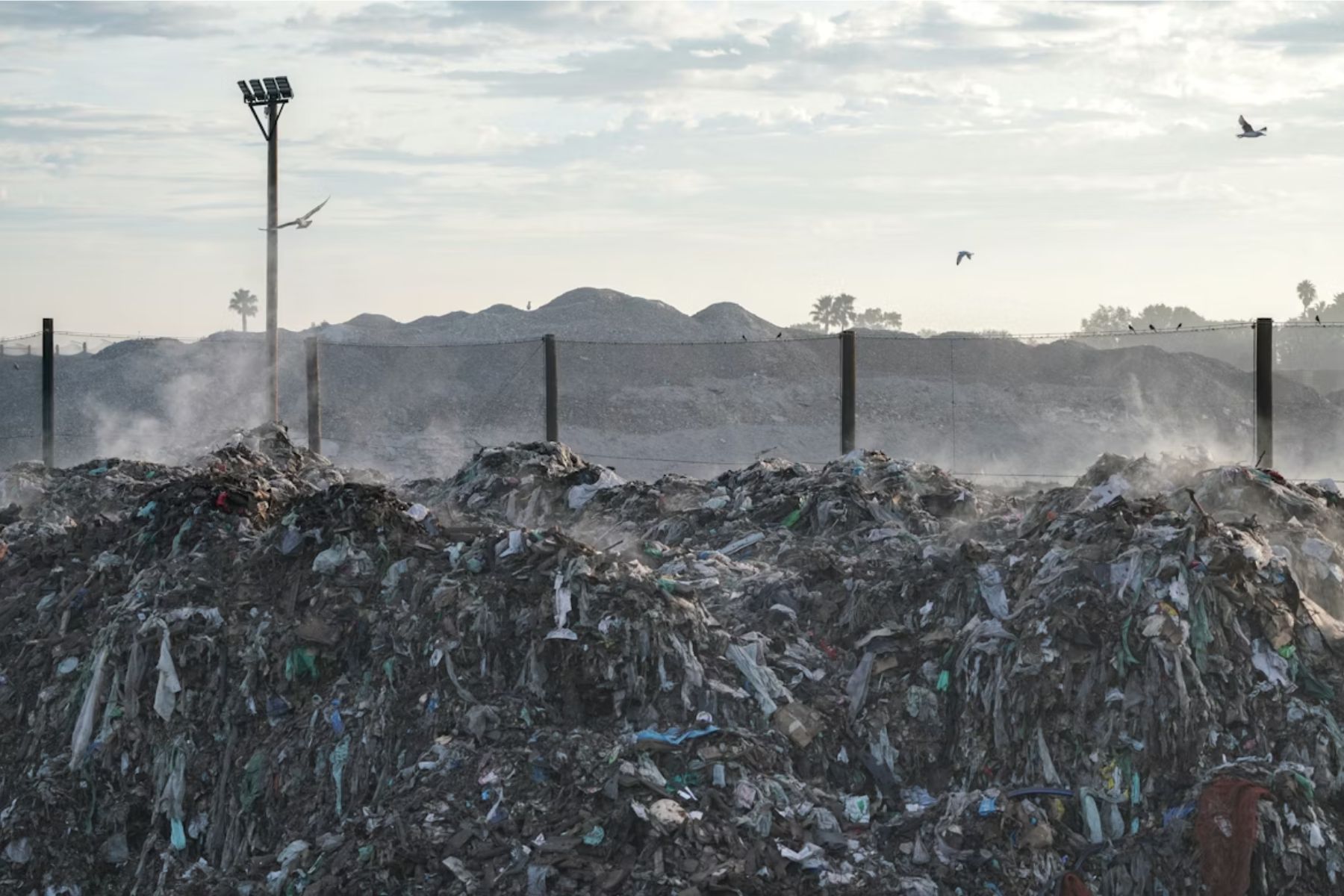
A Region on the Front Line
Southern Africa is warming at roughly twice the global average rate. Temperatures across the SADC region have already risen by more than 1.5°C since pre-industrial levels in many areas — a threshold the rest of the world is still trying to avoid breaching. The consequences are visible everywhere: shrinking glaciers on Kilimanjaro, collapsing fisheries in Lake Malawi, devastated smallholder harvests from Zambia to Zimbabwe, and coastal communities in Mozambique losing ground to rising seas.
This is not a distant threat. It is a present crisis. And it is colliding with a second, equally urgent challenge: the need to move away from fossil fuels without destroying the livelihoods of the millions of workers whose jobs depend on them.
The Just Transition Dilemma
South Africa is responsible for approximately 42% of the African continent’s carbon emissions, driven primarily by its coal-dependent energy sector. The country is under intense international pressure — and has made formal commitments — to decarbonise. The Just Energy Transition Partnership (JETP), signed at COP26 in 2021, committed $8.5 billion to support South Africa’s shift away from coal.
But the word ‘just’ carries enormous weight. The coal belt of Mpumalanga employs well over 90,000 workers directly, and many times that number in related industries and services. If coal mines and power stations close without adequate support for affected workers and communities, the result will not be a green future — it will be a humanitarian crisis. Research by the Southern Centre for Inequality Studies at Wits University has shown that planned mine closures in the next decade could push unemployment in the Highveld region to catastrophic levels.
The dilemma is not unique to South Africa. Mozambique is rapidly expanding its natural gas sector, betting on fossil fuel revenues to fund development. Zambia’s energy sector is still heavily coal-reliant. Zimbabwe faces an electricity crisis that it is trying to solve partly through coal expansion. Across the region, governments are caught between international climate commitments and immediate development pressures — and it is workers and communities who sit in the middle of that tension.
What the Numbers Say
The World Bank estimates that without action on climate change, over 40 million people in sub-Saharan Africa could be pushed into poverty by 2030. Agricultural yields in Southern Africa could decline by up to 20% under moderate warming scenarios. The region already loses an estimated 2–5% of GDP each year to climate-related disasters and disruptions.
Conversely, the International Labour Organization (ILO) estimates that the transition to a green economy could create 24 million new jobs globally by 2030 — but only if the transition is managed with workers and communities at the centre of planning. In Southern Africa, renewable energy alone could create hundreds of thousands of jobs in installation, maintenance, and manufacturing. The question is not whether jobs will be created, but who will access them — and whether they will be decent jobs.
Advocacy Gains and Remaining Battles
Trade unions, civil society organisations, and community groups across Southern Africa have won important recognition for the just transition agenda. COSATU in South Africa, ZCTU in Zimbabwe, and SATUCC at the regional level have all secured seats at policy tables where climate and energy decisions are made. The SADC Industrialisation Strategy and the African Union’s Agenda 2063 both include language on green growth and environmental sustainability.
The ITUC-Africa, working with affiliates across the region, has pushed for Nationally Determined Contributions (NDCs) to include specific provisions for affected workers — a demand that has found partial but meaningful traction in South Africa’s NDC revision process. Civil society organisations like groundWork in South Africa have successfully litigated against coal mine expansion, setting important legal precedents on environmental rights.
But the battles are far from won. Climate finance reaching the grassroots remains a fraction of what is needed. Just transition planning is still largely an elite process, with workers and communities consulted — when they are consulted at all — after key decisions have been made.
What We Do
- Research the social and labour dimensions of decarbonisation across key sectors, including energy, mining, and agriculture.
- Assess how just transition policies affect workers and communities in Southern Africa, with a focus on equity and inclusion.
- Support trade unions and civil society organisations to participate meaningfully in climate policy processes.
- Investigate the environmental and social impacts of major infrastructure projects, including hydropower and extractive industry development.
- Develop training materials and research tools on climate change, the future of work, and just transition for workers’ organisations.
- Produce evidence that connects climate vulnerability with labour market outcomes to strengthen advocacy for people-centred climate policy.
Why work with us
Research grounded in context. Built for impact.
Academically rigorous
Several of our researchers hold PhDs and publish in peer-reviewed journals. Our work meets the standards expected by international funders, UN agencies, and academic partners.
Deep regional knowledge
Our researchers live and work across five Southern African countries. We understand the social, economic, and political contexts in which our partners operate — not from a distance, but from the ground up.
Inclusive by design
We centre the voices of marginalised groups in all our work — including persons with disabilities, women, migrant workers, and informal economy workers. Inclusion is not an add-on. It shapes every research question we ask.
We build your capacity, not just our own
Every project is an opportunity to strengthen your team’s research and M&E skills. We transfer knowledge, share tools freely, and treat every partner as a collaborator — not just a client.